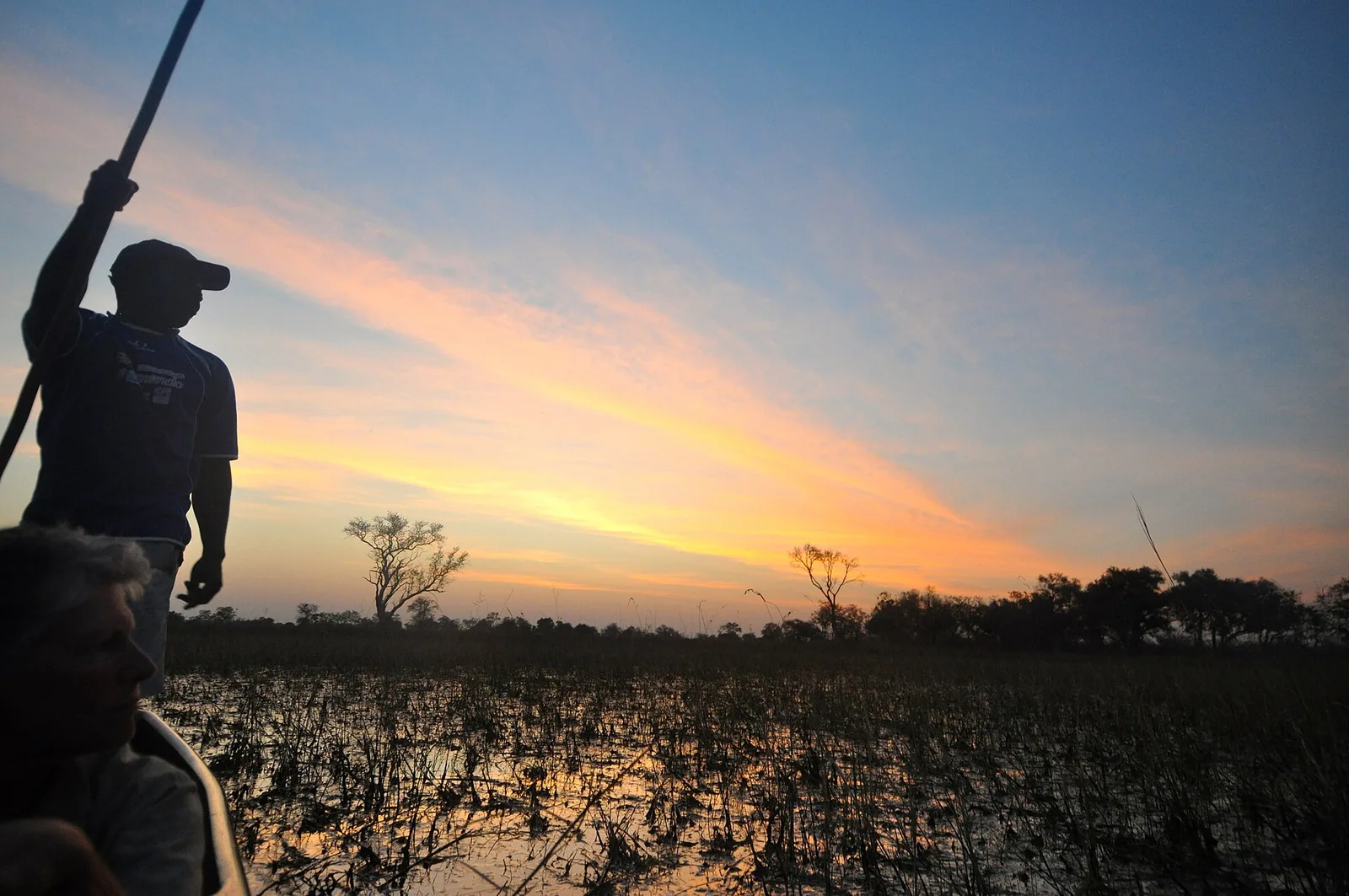
In this guide
There is no single best month for every trip
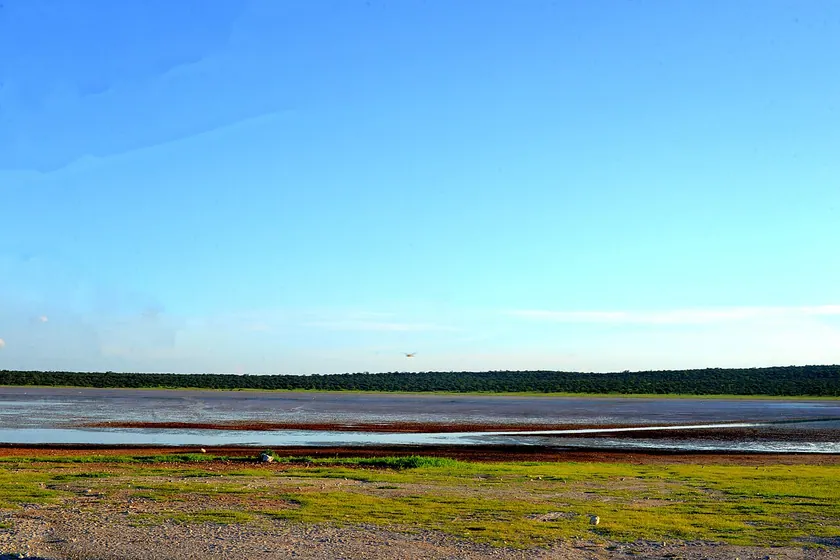
Botswana's regions respond differently to rainfall, heat and water availability. A period that suits riverfront wildlife viewing may not be ideal for a pan excursion or a desert camping route. Choose your priority landscape and activity before selecting dates.
Seasonal patterns are a planning framework, not a forecast. Ask operators what their specific camp and route are usually like at that time, what is currently changing and which activities depend on conditions. Avoid building the whole holiday around an exact migration date or a guaranteed sighting.
May to August: cooler dry-season planning
The winter period is generally dry, with cooler days and potentially cold nights. Open vehicles and early departures can feel especially chilly, so camping and safari clothing should include warm layers. Conditions still vary between northern wetlands and the southwest.
For a camping itinerary, consider both road access and sleeping comfort. A dry season does not remove the need to check water-affected tracks near the Delta. Popular camps and small-capacity departures may need advance attention, but actual availability must be checked rather than assumed.
September and October: heat becomes a major factor
Late dry-season travel can bring demanding heat, affecting camp comfort and the rhythm of outings. Plan shade, drinking water and rest periods, especially with children or anyone sensitive to high temperatures. Ask how your accommodation handles warm afternoons.
Do not choose dates solely because wildlife may gather near remaining water. The best trip balances observation with your group's comfort. A programme with early and later activities and a calm midday period may suit better than consecutive long full-day drives.
November to April: rain, green landscapes and changing access
Summer rainfall is variable and often local. It can change vegetation, wildlife distribution and birding opportunities while making some roads or pan surfaces unsuitable. A lower seasonal rate should be compared with the actual available programme and the operator's access plan.
Keep flexibility and ask about the alternative if a water, road or pan activity cannot operate. A guided trip can reduce the burden of managing changing conditions, but it still needs a clear itinerary and contingency explanation. Rain does not make every destination impossible, nor every route suitable.
The Delta flood follows a separate rhythm
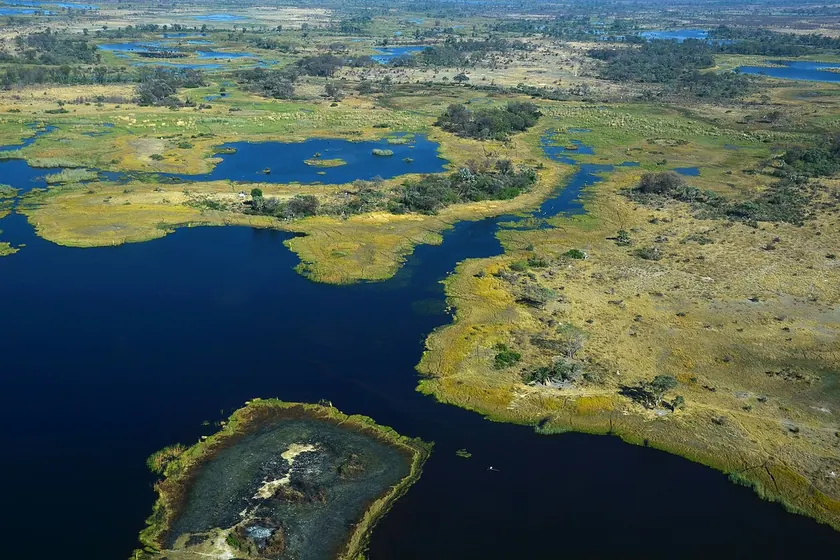
Water arriving from upstream can spread through the Okavango during Botswana's dry months. This is distinct from rain falling locally. A camp's boating or mokoro programme therefore depends on its particular position and water conditions, not just the broad rainy-season label.
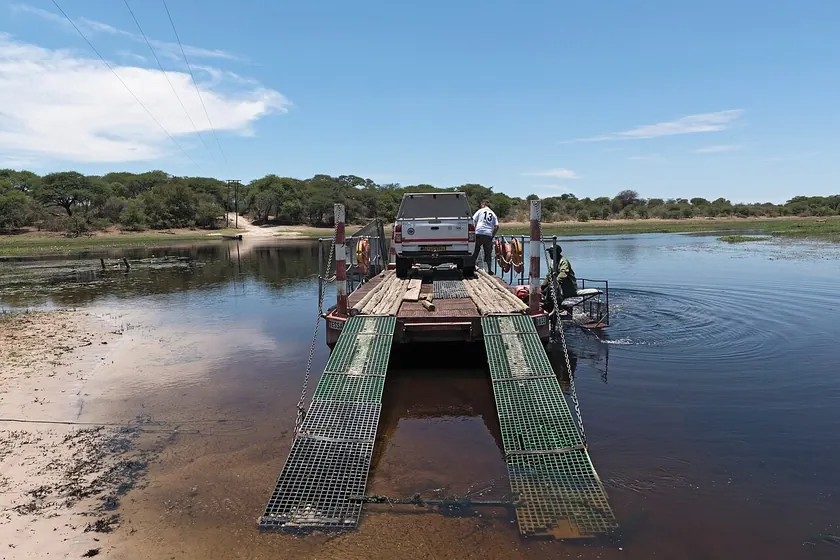
When water activities are essential, ask about the precise launch area and recent conditions. When self-driving, ask about the individual bridge and track connections. The answer for one part of the Delta cannot be applied automatically to another.
Choose dates with a practical comparison
Make a shortlist of two possible travel windows and compare total price, camp availability, heat tolerance, activity programme and transport. For families, include school holidays and age policies. For photographers and birders, discuss the desired habitat and guiding rather than only the calendar.
Keep at least some flexibility in the daily order and confirm conditions again shortly before departure. Our itinerary guide helps allocate nights, while camp comparisons separate the facilities and access questions that season alone cannot answer.
Experiences for this part of your trip
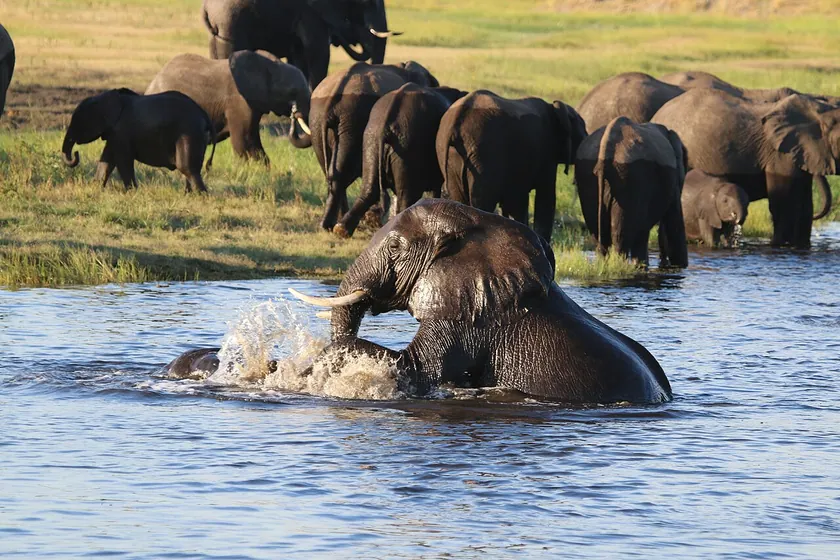
Chobe by river and road from Kasane
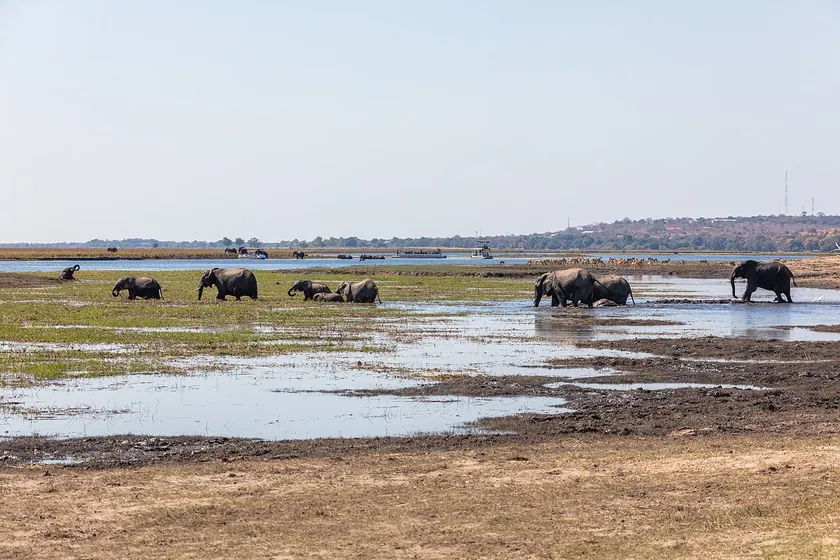
Pair a river safari with a game drive for two different views of Chobe. This full-day Kasane departure includes lunch and suits travellers who want a substantial wildlife day without changing their overnight base.
Before you book
Check national-park fees, taxes and your pickup zone in the selected option. Wildlife sightings vary; no particular species is guaranteed.
Family considerationsConfirm the minimum age, child seating and life-jacket sizes with the operator. A full day includes prolonged time in a vehicle and on a boat.
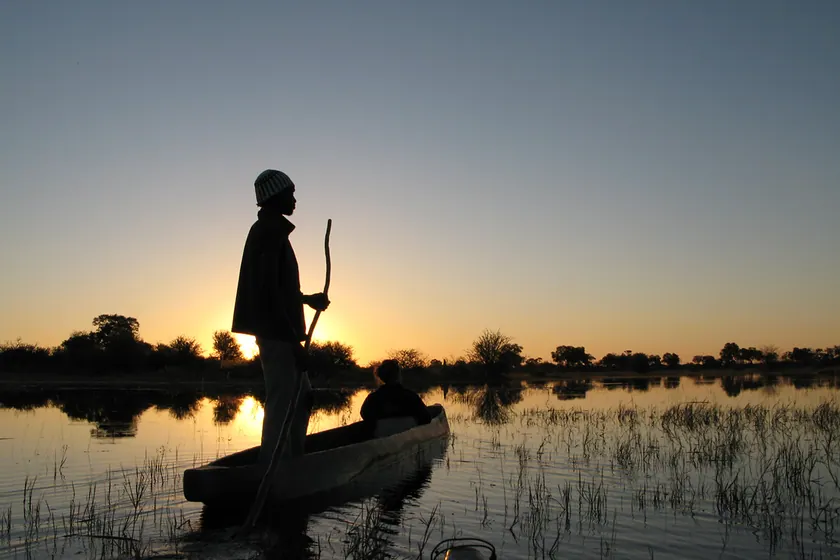
A full day by mokoro from Maun
Travel into the Delta with community polers, moving quietly through channels before a guided island walk. The listed day trip includes Maun pickup, a packed lunch and fees, with the emphasis on the water, birdlife and the small details of the landscape.
Before you book
Water levels shape the route. This is a water-and-walking experience rather than a big-game drive; confirm transfer times and current inclusions.
Family considerationsThe checked listing excludes children under seven and people with mobility impairments. Confirm flotation equipment and the walking requirements for your group.
Illustrative safari photograph; not a photograph of the listed tour operator or accommodation. Some tour links are affiliate links. If you book through them, BotswanaCamps.com may earn a commission at no extra cost to you. Check live prices, inclusions, age rules and cancellation terms on the provider’s listing.
Frequently asked questions
Is dry season always dry under the vehicle?
No. Delta floodwater can affect tracks during locally dry months. Check the exact route.
Is the rainy season unsuitable for all safaris?
No. It offers different landscapes and wildlife patterns, but access and activities need careful selection.
Can a migration be guaranteed for a particular week?
No. Rainfall, grazing and animal movement vary. Plan for a rewarding wider experience.
Sources and official information
Checked against the sources below in November 2026. Confirm access, permits, booking terms and seasonal operations before travel.
BotswanaCamps.com is an independent guide, not the official tourism board. GetYourGuide links include our affiliate code. Booking.com listings link to external property pages; availability and terms are set by the providers.