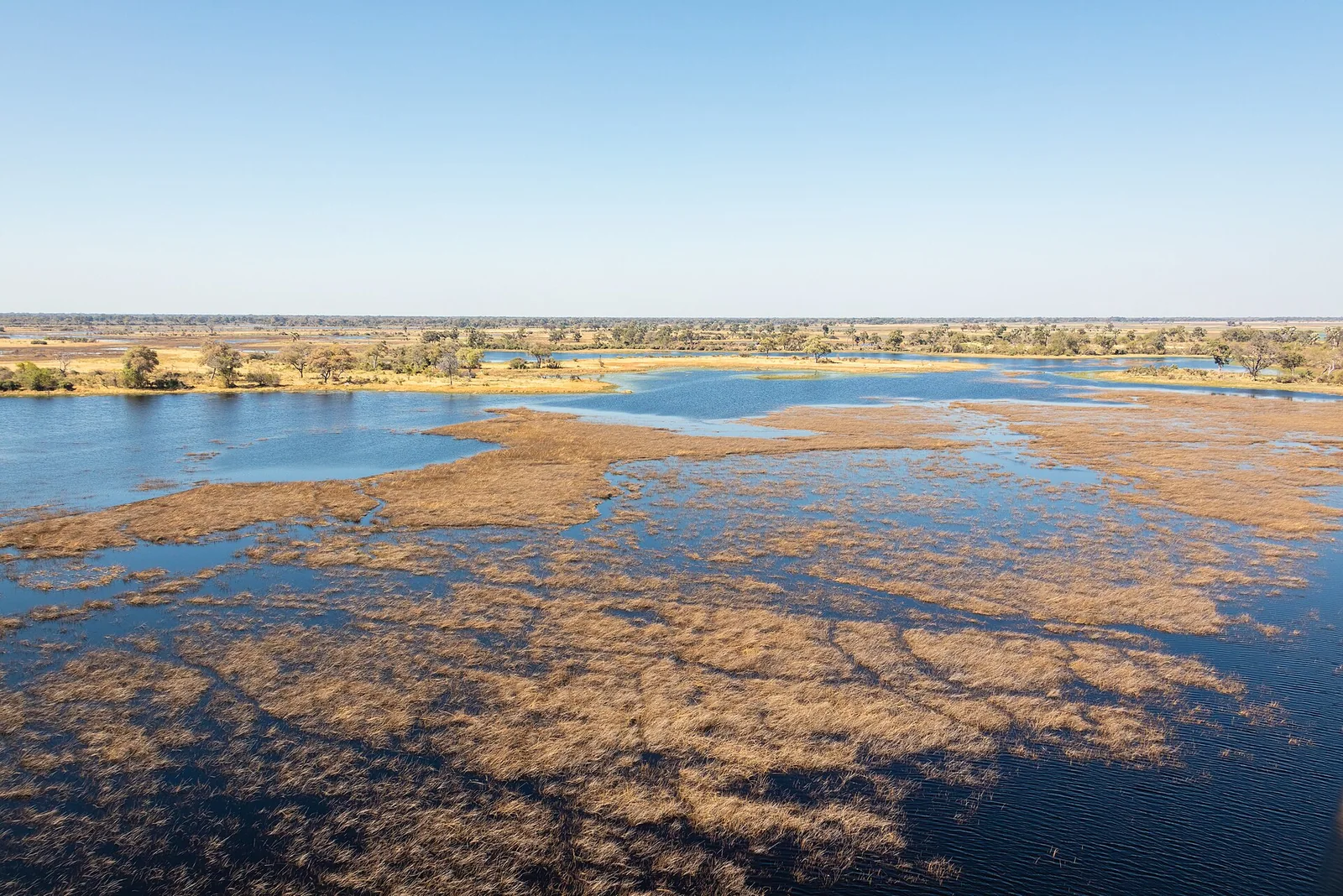
In this guide
Start with the kind of safari you want
Botswana rewards a clear choice more than a crowded route. Camping can mean pitching your own tent at a designated site, joining a mobile expedition with a crew, or sleeping in a permanent tent with a proper bed and bathroom. These experiences share canvas and wildlife surroundings but differ enormously in cost, responsibility and comfort. Decide who will drive, cook, arrange permits and deal with a delayed transfer before comparing photographs.
For a first visit, write down the experiences that matter most: a boat on the Chobe River, quiet channels in a mokoro, long game drives, desert landscapes or nights around a campfire. Choose accommodation that actually supports them. An impressive tent in the wrong location can add more transfer time than a simpler camp near your preferred activities.
Read the map as several separate journeys
Maun is the useful gateway for the Okavango and many Moremi departures; Kasane serves the Chobe riverfront. The roads between gateways are not equivalent to the sandy safari tracks through the parks. A scheduled road transfer between towns does not include a wildlife traverse through Moremi and Savuti.
The Delta and Chobe combine well when the available time and transport fit. The pans offer a different landscape; the Central Kalahari and Kgalagadi deserve dedicated planning. Avoid adding remote regions merely to make a route look comprehensive. A quieter morning at one camp often adds more than another long moving day.
Choose your level of support
Self-drive gives control over stops and camp life, but the vehicle, equipment, navigation and recovery planning become your responsibility. A guided mobile safari keeps the outdoor atmosphere while a local team manages the route. Fixed camps reduce daily packing; many arrange activities, but inclusions vary. Compare our camping styles before seeking a price.
For families, first-time safari visitors and travellers uncomfortable with remote driving, a supported trip is often the more useful starting point. This is a practical judgment, not a rule that independent travel is impossible. Experience, season, vehicle preparation and the specific route matter together.
Match the season to the place
Local summer rain and the Delta's incoming flood are different processes. The Okavango can receive its seasonal flood during Botswana's dry months, so a dry-weather forecast does not establish that a track is passable or that every camp offers the same water activities. Ask for conditions at the actual camp and launch point.
Use the seasonal guide to choose a broad travel window, then leave flexibility for weather and water. One advertised animal or migration is a poor foundation for the entire holiday: wildlife remains free to move, and guides cannot promise a sighting.
Build a complete budget and booking sequence
Start with your arrival and departure gateways, then establish nights and transfer options. Secure any essential limited-capacity camp or departure before paying for disconnected pieces. Park admission, the campsite night, vehicle charges and activities can be separate items. A lodge room on Booking.com may have different inclusions from an operator's safari package.
Compare the total journey including meals, fuel, flights, baggage limits, emergency arrangements and time spent moving. Keep written confirmations offline. Our booking guide explains the questions to ask, while tours brings together bookable activities that can fill a specific gap in a route.
Leave room for the human side of Botswana
Gateways and villages are lived-in places, not simply supply points between wildlife areas. Buy locally where practical, ask before photographing people and choose community-led experiences on their own terms. When a campsite is community operated, book through the recognised organisation and ask how your stay supports its work.
Give yourself an arrival night to recover, organise equipment and meet the people handling the next stage. The final evening should also be relaxed enough to repack and confirm onward travel. A good safari itinerary leaves enough space for unexpected wildlife, a slower road and the pleasure of being in camp.
Explore the complete Botswana guide
Choose a region, compare camping styles or work through the practical details of your journey. Every guide is available in each language edition.
Plan your safari
- Botswana safari itineraries: focused stays and slower camping routes
- Best time for a Botswana safari: match season, water and camping plans
- Getting to Botswana’s safari regions: gateways, borders and arrival buffers
- Getting around Botswana: safari roads, bush flights and transfers
- Botswana park fees and campsite bookings: build a complete quote
- Botswana safari packing list: camp comfort without excess luggage
- Botswana safari safety: practical decisions before and during your stay
- Accessible Botswana safaris: plan the whole journey, not just the room
Camps & regions
Destinations
- Okavango Delta camps: water, islands and the right safari base
- Moremi camping guide: Third Bridge, Xakanaxa and South Gate
- Khwai camping guide: community camps, North Gate and safari choices
- Chobe safari and camping: river cruises, game drives and Ihaha
- Savuti camping: a slower safari in Chobe’s interior
- Linyanti camps: public camping and private safari concessions
- Makgadikgadi camping and pan experiences: choose the right base
- Nxai Pan camping: South Camp, Baines’ Baobabs and seasonal wildlife
- Central Kalahari camping: space, self-sufficiency and a realistic route
- Kgalagadi camping from Botswana: routes, reservations and border planning
- Tuli Block safari camps: rocky landscapes and a different Botswana journey
Gateways
Safari styles
- Botswana mobile camping safaris: compare support, tents and real safari time
- Botswana self-drive camping: vehicle, route and reservation planning
- Botswana tented camps: what the canvas does and does not tell you
- Botswana safari on a budget: spend on the experience that matters
- Botswana luxury camps: pay for location, guiding and time
Tours & experiences
- Botswana safari tours: compare the experience behind the listing
- Okavango mokoro safaris: choose the route, season and level of support
- Botswana boat safaris: Chobe cruises and Delta waterways compared
- Botswana game drives: choose the vehicle, guide and pace
- Botswana walking safaris: interpretation, suitability and good questions
- Okavango scenic flights: fixed-wing, helicopter and transfer differences
- Birdwatching in Botswana: wetlands, woodland and patient safari days
- Botswana safari photography: light, patience and the right booking
Experiences for this part of your trip
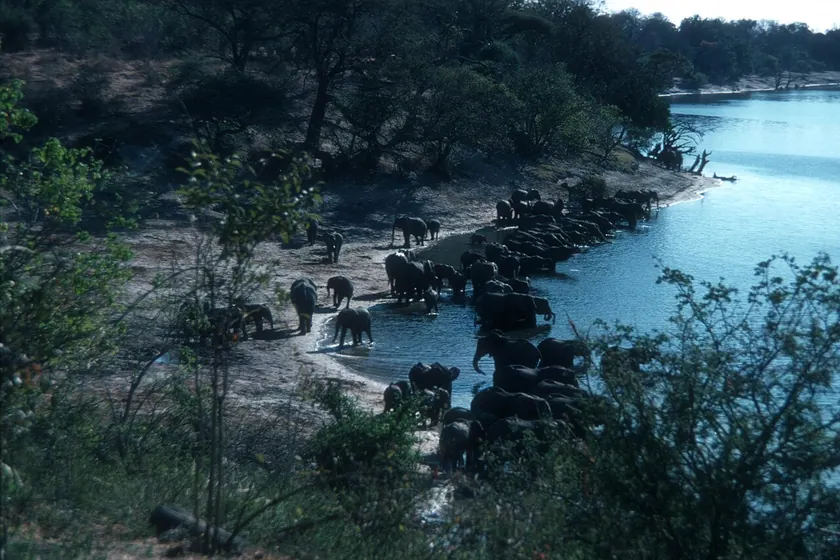
Chobe by river and road from Kasane
Pair a river safari with a game drive for two different views of Chobe. This full-day Kasane departure includes lunch and suits travellers who want a substantial wildlife day without changing their overnight base.
Before you book
Check national-park fees, taxes and your pickup zone in the selected option. Wildlife sightings vary; no particular species is guaranteed.
Family considerationsConfirm the minimum age, child seating and life-jacket sizes with the operator. A full day includes prolonged time in a vehicle and on a boat.
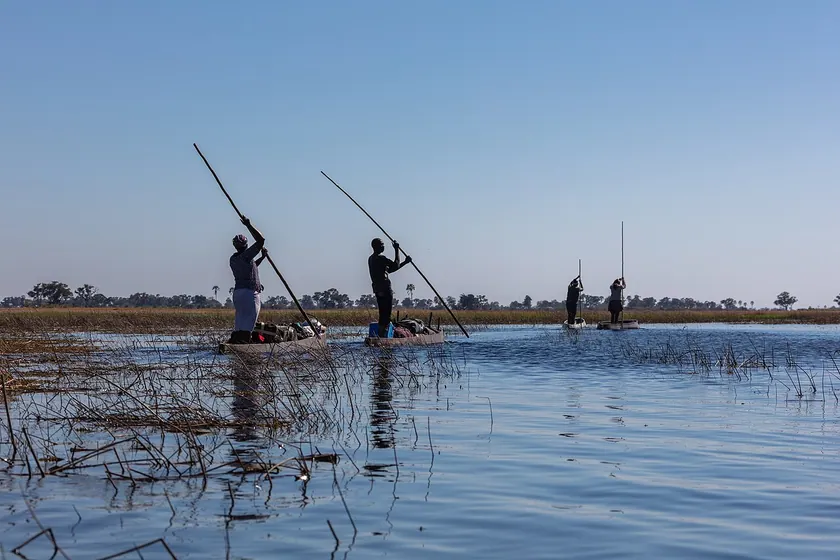
A full day by mokoro from Maun
Travel into the Delta with community polers, moving quietly through channels before a guided island walk. The listed day trip includes Maun pickup, a packed lunch and fees, with the emphasis on the water, birdlife and the small details of the landscape.
Before you book
Water levels shape the route. This is a water-and-walking experience rather than a big-game drive; confirm transfer times and current inclusions.
Family considerationsThe checked listing excludes children under seven and people with mobility impairments. Confirm flotation equipment and the walking requirements for your group.
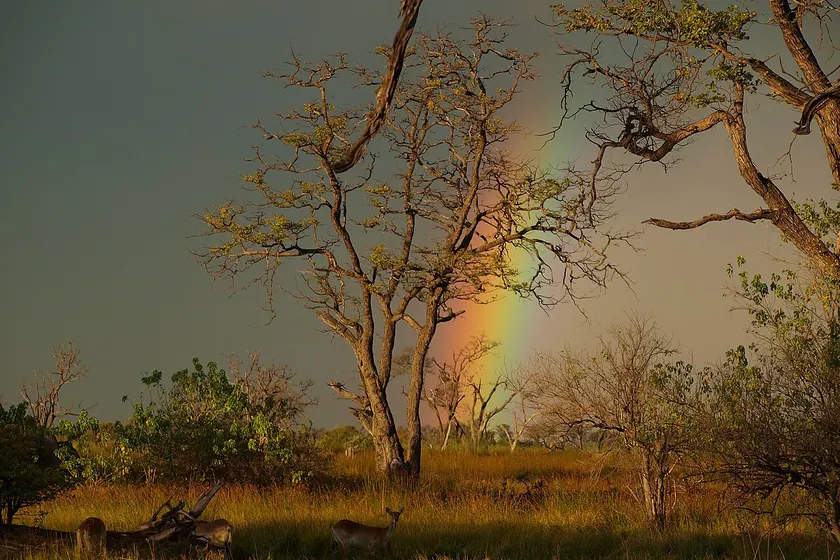
Three days on a Moremi mobile safari
Spend consecutive days in the Moremi landscape with a small-group mobile safari. This is an option to compare when the overnight camp experience matters as much as the game drives and you prefer a guided trip to arranging your own 4x4.
Before you book
Before booking, confirm the actual camps, tent setup, bathroom arrangements, meals, park fees and transfer endpoints.
Family considerationsChild ages and family tent arrangements need operator approval. Ask about unfenced camps, night-time escorts and the length of each drive.
Illustrative safari photograph; not a photograph of the listed tour operator or accommodation. Some tour links are affiliate links. If you book through them, BotswanaCamps.com may earn a commission at no extra cost to you. Check live prices, inclusions, age rules and cancellation terms on the provider’s listing.
Frequently asked questions
How many days should I allow?
A focused five- to seven-night journey can combine two bases; a remote self-drive traverse usually needs more time and spare capacity. Choose fewer stops when your available days are limited.
Must I camp to visit Botswana?
No. Guesthouses, hotels, permanent tented camps and lodges allow many different comfort levels. Camping is one way to travel, not an entry requirement.
What should I reserve first?
The essential camp nights and safari departure, together with a workable transfer plan. Check arrival flights and avoid paying for pieces that cannot connect.
Sources and official information
Checked against the sources below in November 2026. Confirm access, permits, booking terms and seasonal operations before travel.
BotswanaCamps.com is an independent guide, not the official tourism board. GetYourGuide links include our affiliate code. Booking.com listings link to external property pages; availability and terms are set by the providers.