In this guide
A different way to notice the bush
A walking safari can focus on tracks, plants, insects, birds and the relationships that are easy to miss from a vehicle. It should not be approached as an opportunity to get closer to dangerous animals. The guide's decisions determine where the group goes and when it turns back.
Choose the experience because you enjoy careful observation and learning at ground level. A short interpretive walk can be valuable without a dramatic encounter. Tell the operator about your interests and any limitations before selecting a longer or more demanding programme.
Only where the activity is authorised
Walking is not permitted as a casual independent activity throughout wildlife areas. Availability depends on the land manager, concession and operator. A camp that offers walks does so under specific arrangements; a neighbouring public campsite does not inherit that permission.
Book with a recognised professional operator and ask about the guide's qualifications, group size, route and emergency procedures. Follow every briefing instruction. Do not leave a campsite to create your own version of the activity, even if the surrounding path looks familiar.
Ask about the actual physical demands
Distance alone is a poor measure of difficulty. Heat, sand, uneven ground, pace and time without a convenient seat can all matter. Ask how long the group remains out, whether there are rest opportunities and how the operator assesses suitability.
Explain mobility concerns, balance issues or relevant health needs in advance. The guide must be able to judge whether the activity can be adapted. Being comfortable on a city pavement does not automatically establish comfort on rough or sandy ground, and a short walk may still require steady footing.
Child policies are activity-specific
Walking safaris often apply minimum ages that differ from the camp's accommodation policy. Confirm the exact rule for your departure and do not assume that an adult's willingness to supervise overrides it. If one child cannot join, ask what alternative is actually available at camp.
For a family trip, a shorter nature-focused activity in an appropriate setting may be more suitable than a standard shared walk. Discuss the child's ability to remain quiet, follow instructions and stay with the group. A private booking does not remove the operator's safety requirements.
Bring less, but bring the right things
Wear footwear and clothing recommended by the operator, carry water and protect yourself from sun. Keep equipment compact and hands available when needed. A heavy camera bag can make an otherwise manageable outing tiring, so decide what you really want to photograph.
Avoid strong scents, noisy accessories and any behaviour the guide discourages. Remain with the group, communicate discomfort early and follow the instructions about stopping or changing direction. The operator's current briefing takes priority over advice from a general travel article.
Fit a walk into a varied safari
A walk can complement game drives and water activities by changing your attention rather than simply adding another item to a checklist. Schedule it when you are rested and comfortable with the conditions. Do not squeeze it between a late arrival and a rushed transfer.
Use the Delta guide or Tuli planning to choose a base that actually offers the programme you want. If walking is not appropriate for someone in the group, a patient drive, accessible viewing point or boat outing may provide an equally rewarding way to explore.
Experiences for this part of your trip
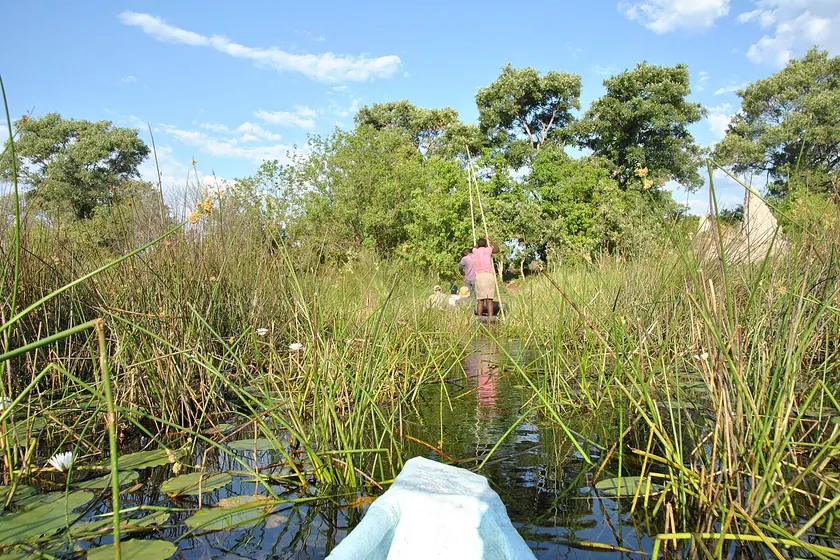
Mokoro and nature walk from Maun
Combine a mokoro outing with a guided walk in the Delta on this private-group day experience. It is an option to compare for travellers who want time on foot as well as a low, quiet view from the water.
Before you book
Confirm water levels, transfer times, lunch, entry fees and the walking distance in the chosen option. Wildlife encounters are unpredictable.
Family considerationsThe listing excludes mobility impairments. Minimum ages, flotation equipment and suitability for children require operator confirmation.
A mokoro day with a guided bush walk
Compare this full-day combination of channel travel and a guided walk with shorter Delta outings. The experience puts the landscape at water level before changing perspective on foot, with access dependent on local conditions.
Before you book
Confirm meeting point, transfer time, walking distance, meals and community or reserve fees.
Family considerationsAsk for the minimum age and walking requirements. A child allowed in a mokoro may still be too young for the associated guided walk.
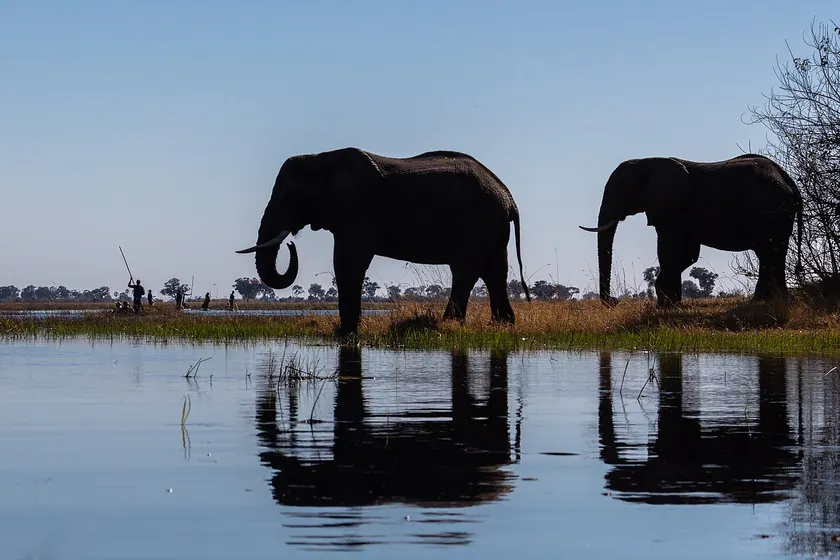
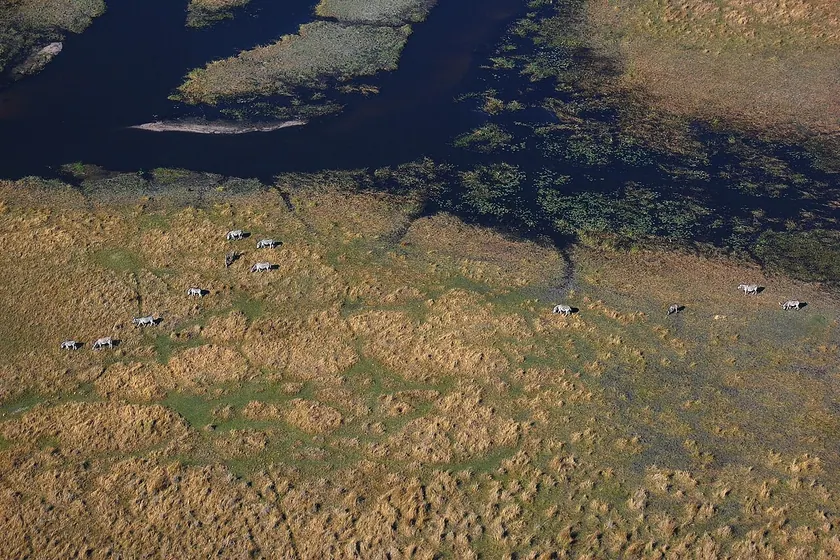
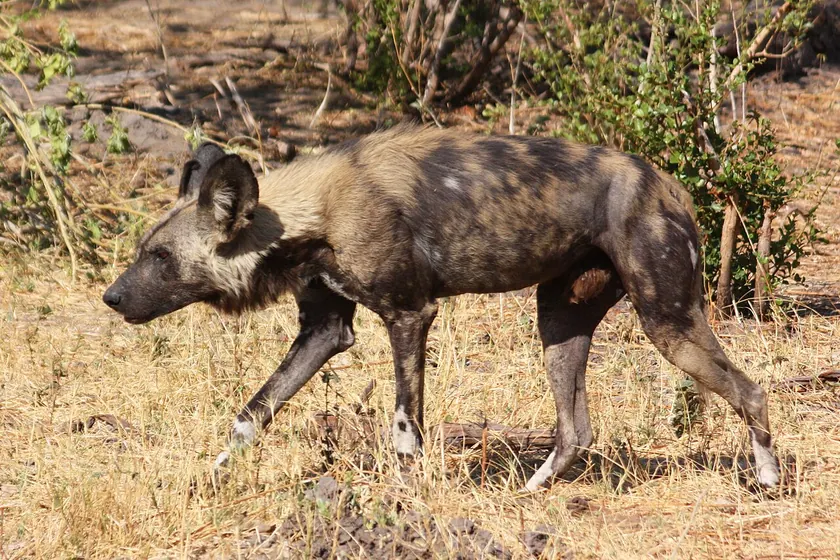
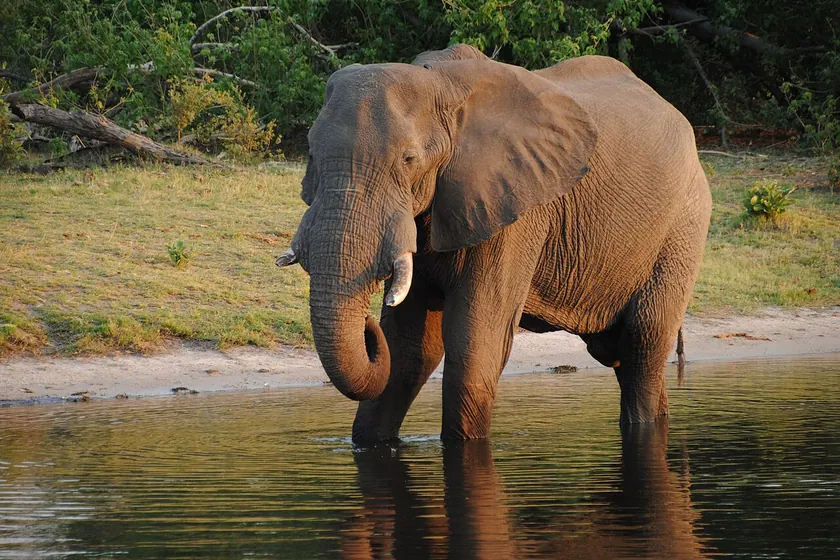
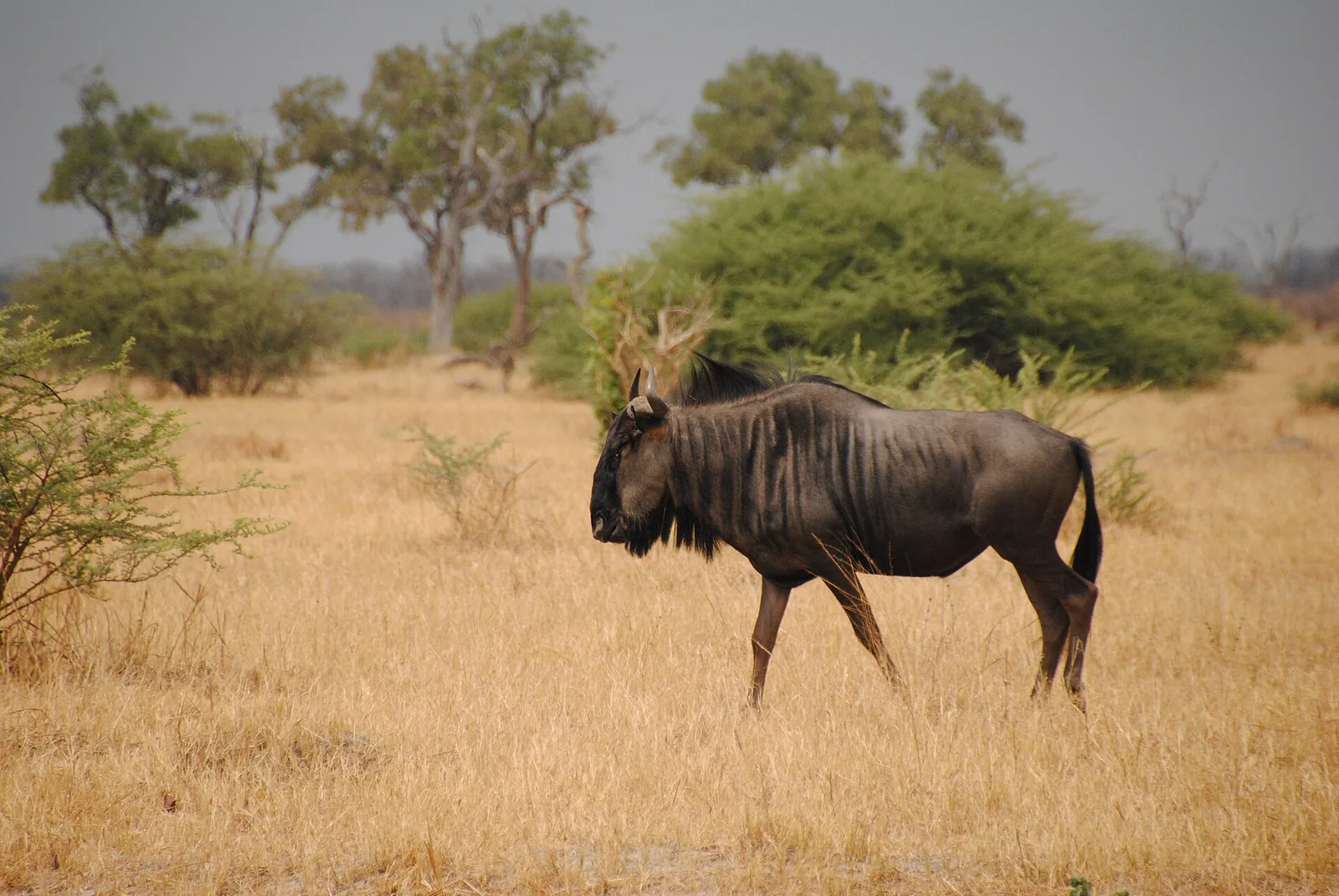
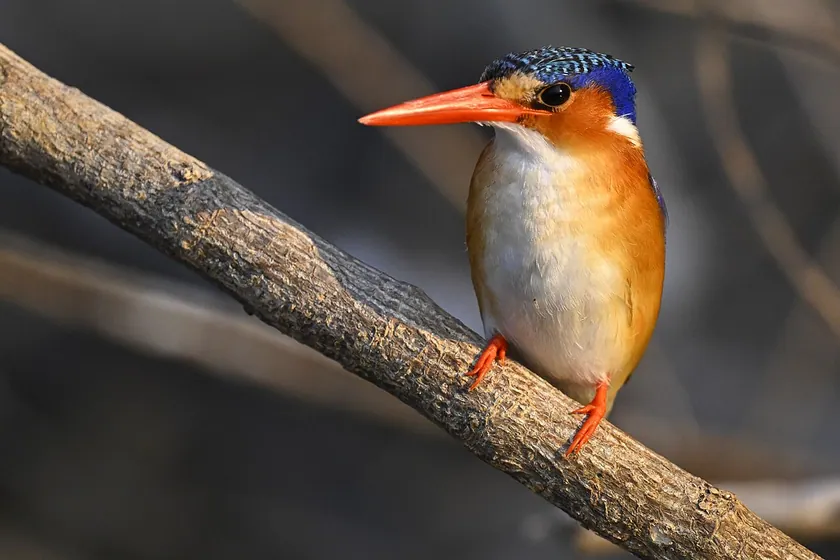
Illustrative safari photograph; not a photograph of the listed tour operator or accommodation. Some tour links are affiliate links. If you book through them, BotswanaCamps.com may earn a commission at no extra cost to you. Check live prices, inclusions, age rules and cancellation terms on the provider’s listing.
Frequently asked questions
Can I walk independently near my campsite?
Follow the land manager’s rules. Do not use a campsite stay as permission for an unguided bush walk.
Do camp child policies also apply to walks?
Not necessarily. Walking activities may have stricter age and suitability requirements.
Is the aim to approach predators on foot?
No. A good walking safari prioritises interpretation and safe decisions, not close encounters.
Sources and official information
Checked against the sources below in November 2026. Confirm access, permits, booking terms and seasonal operations before travel.
BotswanaCamps.com is an independent guide, not the official tourism board. GetYourGuide links include our affiliate code. Booking.com listings link to external property pages; availability and terms are set by the providers.