In this guide
Make the Kalahari the purpose of the journey
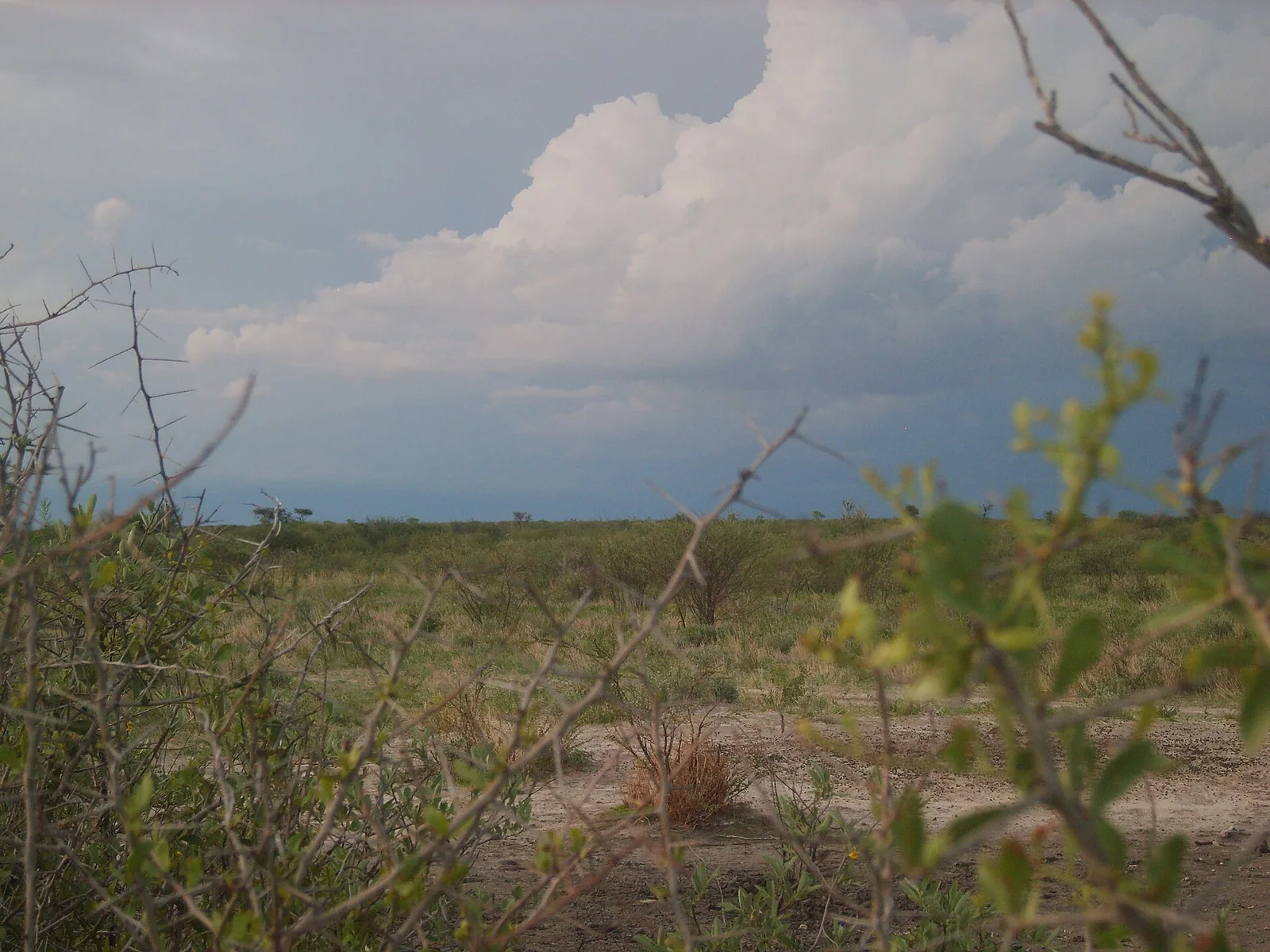
The Central Kalahari Game Reserve offers a sense of scale and a dry-land landscape very different from the Delta. The appeal includes open valleys, changing grasses, desert-adapted wildlife and time in camp. It is not simply a northern safari with fewer trees, and it should not be added casually to an already crowded route.
Choose a manageable section rather than trying to cross the largest possible area. The northern Deception Valley region is one familiar starting point, but your route must follow confirmed sites, current access and your level of experience. A guided expedition is a strong option when the setting appeals more than the logistics.
Book the actual camps and permissions
Camping arrangements can involve DWNP and private campsite operators. Ask the park office and the named operator who currently handles each site, and obtain matching written confirmations. Do not assume that a reservation for one valley gives permission to camp anywhere along the route.
Keep the itinerary legible: arrival gate, each overnight site, planned exit and the next supply stop. If a preferred site is unavailable, reassess the driving sequence before accepting a distant substitute. A campsite name alone does not tell you whether there is water, a working shower or any staff nearby.
Treat supplies and communications seriously
Plan drinking water, food, fuel and vehicle reserves for the entire remote section with an experienced local provider. Carry suitable recovery and spare equipment, and understand how to use it before departure. A phone with offline maps is useful but should not be the sole means of calling for help.
Agree on a check-in and emergency plan with someone who knows your route. Establish who can arrange recovery and what your insurance covers. The objective is to reduce avoidable problems before leaving services, not to improvise a complicated solution after becoming delayed.
Read the season as a trade-off
After favourable summer rain, grazing can change the northern landscape and wildlife distribution. Those same rains may make some roads difficult. Drier months bring a different character and can be demanding for water and heat planning. There is no season that removes the need to check conditions.
Ask what your particular itinerary offers at that time of year. Long stretches without a major sighting are part of wildlife travel; the value of this region includes observing the whole environment. Do not choose a route solely because an advertisement promises a famous black-maned lion.
Respect people as well as the landscape
The Kalahari is associated with living San communities and a complex history. Cultural experiences should be locally led, consensual and fairly paid. Avoid reducing people to a performance or assuming that a traditional practice represents every individual's present-day life.
Ask permission before photographs and listen to the host's own account. A good guide can help provide context without treating culture as an add-on between wildlife drives. Keep natural and cultural objects where they belong and follow the instructions applying to the place you visit.
Choose the right level of comfort
Independent camping suits travellers prepared for simple facilities and remote routines. A supported mobile trip can provide meals, equipment and a guide while retaining an outdoor atmosphere. A lodge or camp accessed through an operator offers another approach, with its own transfer arrangements.
For families or travellers with medical, mobility or charging needs, assess the evacuation and practical support as carefully as the room. A shorter well-supported stay can be more enjoyable than an ambitious unsupported route. Read safari safety and self-drive planning before making the final choice.
Experiences for this part of your trip
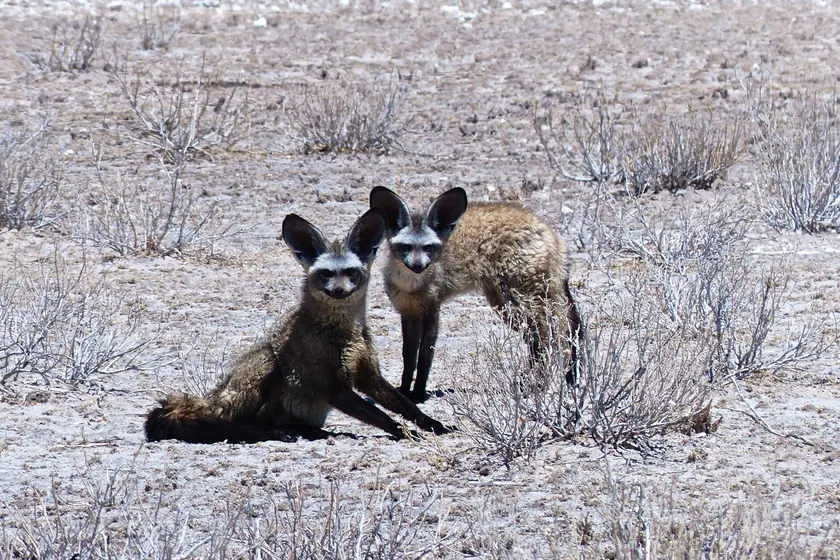
Central Kalahari safari from Maun
Spend three days exploring a desert reserve that feels very different from the Delta. This guided Maun departure offers a way to compare the Central Kalahari with a water-focused northern safari without organising your own remote-area vehicle logistics.
Before you book
Confirm the accommodation style, exact camps, meals, park fees, drinking-water provision and road-condition contingency before booking.
Family considerationsCheck minimum ages and family sleeping arrangements. The listing flags pregnancy and back problems as unsuitable; travel involves remote, rough-road conditions.
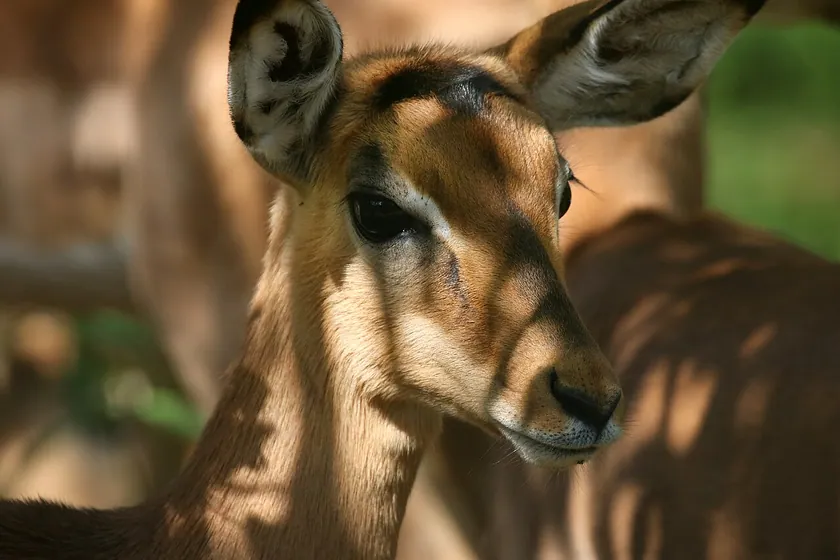
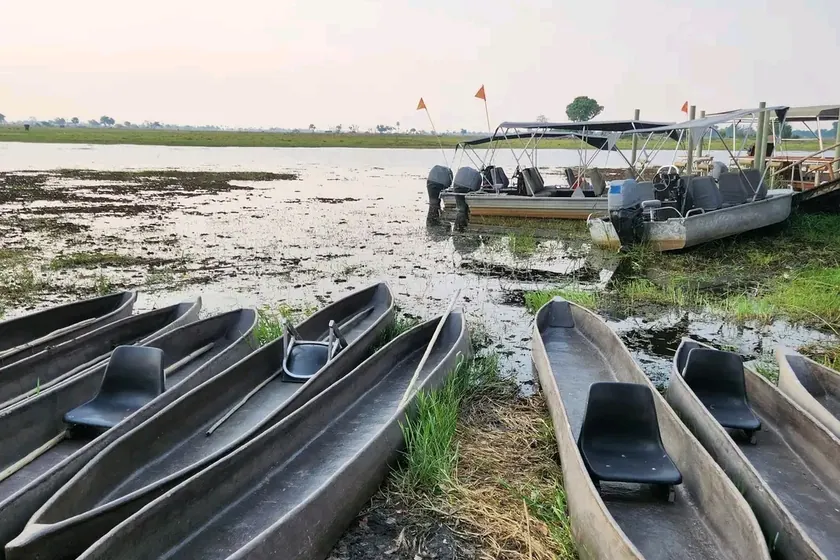
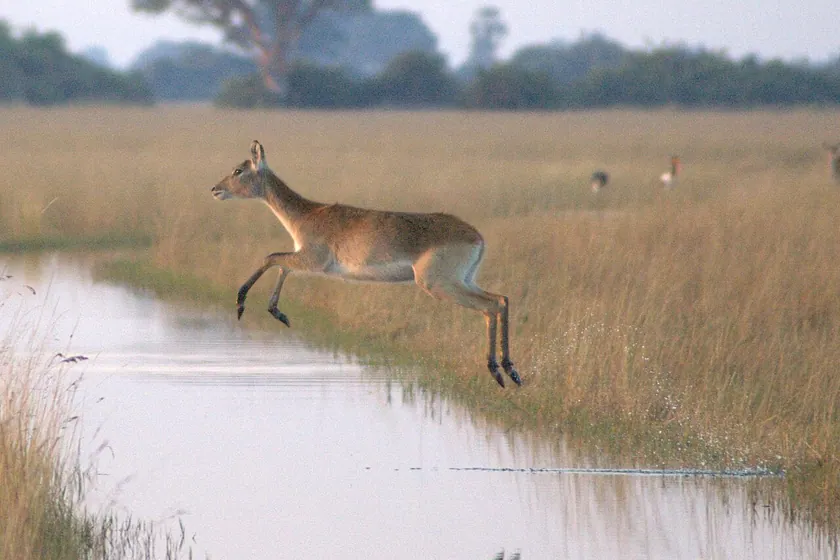
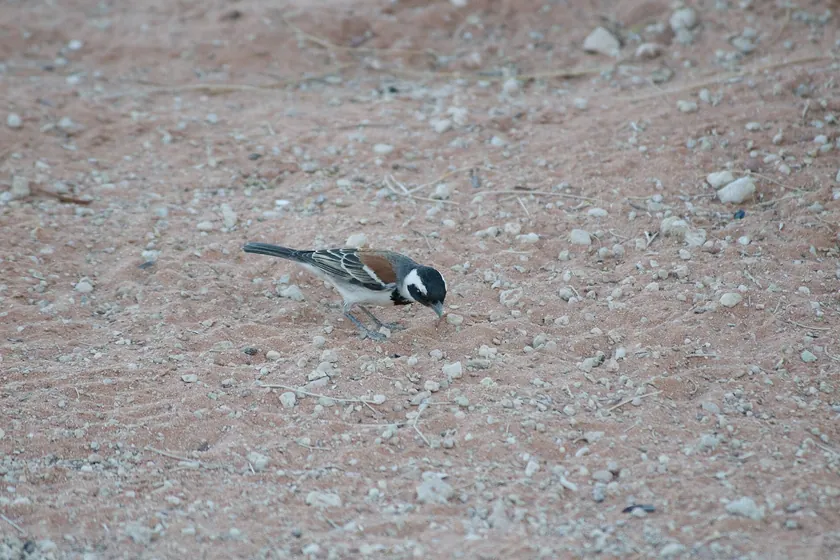
Illustrative safari photograph; not a photograph of the listed tour operator or accommodation. Some tour links are affiliate links. If you book through them, BotswanaCamps.com may earn a commission at no extra cost to you. Check live prices, inclusions, age rules and cancellation terms on the provider’s listing.
Frequently asked questions
Can I rely on buying fuel and food inside the reserve?
Plan the remote section as self-sufficient and confirm supply points before entering. Do not assume services at a campsite.
Who books CKGR campsites?
Responsibility can differ by site. Confirm the current booking authority with DWNP and the named operator for every night.
Is CKGR a good quick detour from Maun?
It deserves dedicated time and preparation. Compare total transfer and supply requirements rather than only the distance on a map.
Sources and official information
Checked against the sources below in November 2026. Confirm access, permits, booking terms and seasonal operations before travel.
BotswanaCamps.com is an independent guide, not the official tourism board. GetYourGuide links include our affiliate code. Booking.com listings link to external property pages; availability and terms are set by the providers.