In this guide
Choose support that matches your experience
The most useful safety decision often happens while booking. A guided mobile safari or serviced camp can be a better fit than an independent expedition when you are unfamiliar with remote 4x4 travel. Ask how the operator manages briefings, communication, vehicle maintenance and emergency assistance.
For self-drive, discuss the route honestly with the rental provider. Experience on ordinary roads is not the same as managing deep sand, flooded tracks or a remote breakdown. Choose a conservative itinerary, obtain training where needed and retain enough time to change the plan.
Treat an unfenced camp as wildlife habitat
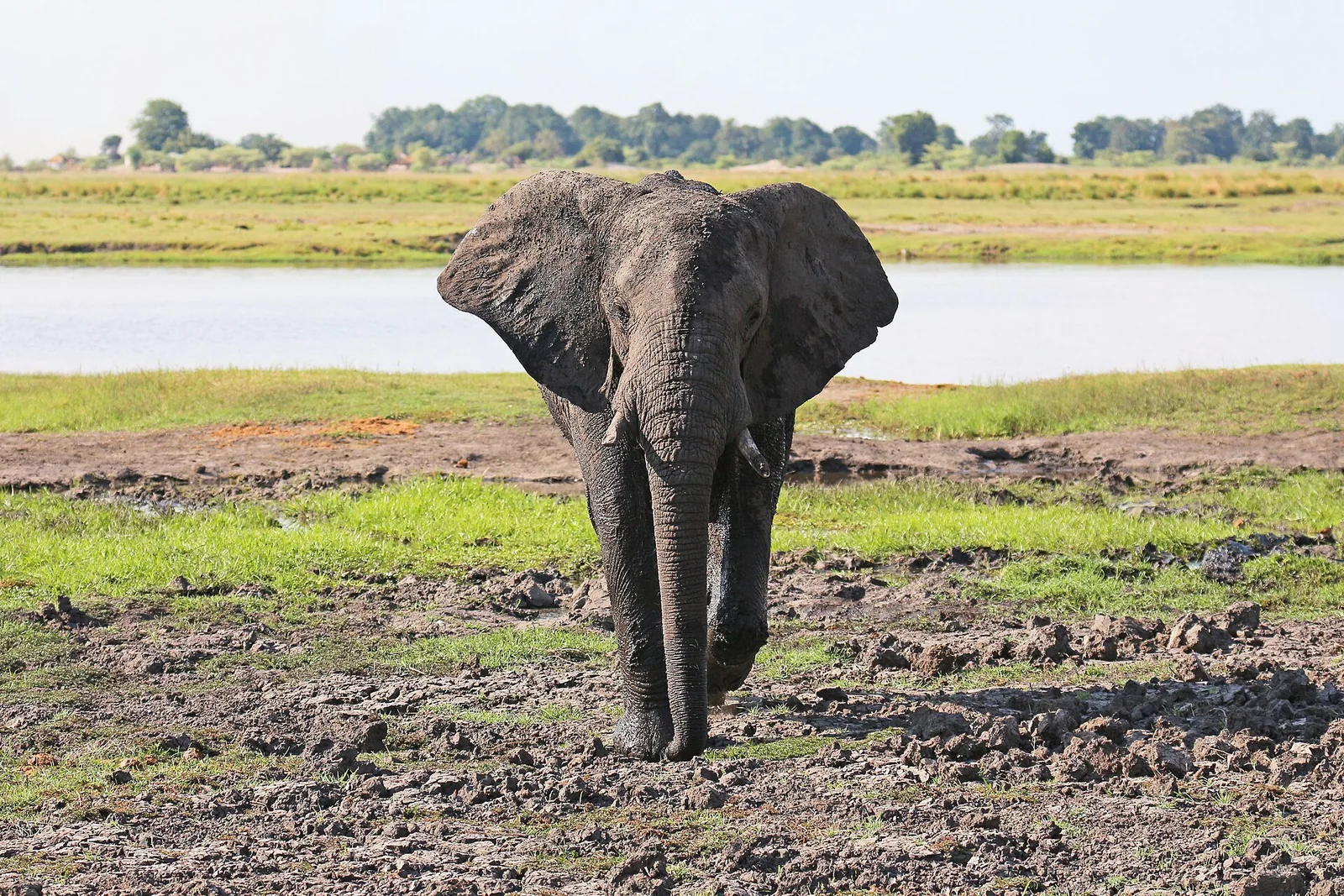
Animals may move through camps, including near tents and ablution paths. Follow the site's briefing about movement after dark, escorts, food storage and where to wait if an animal is nearby. Keep tents closed and food, waste and scented items secured as instructed. A familiar path is not proof that it is clear.
Supervise children closely and keep them with responsible adults. Do not approach, feed or attempt to move wildlife. If an animal blocks the way, follow the staff's instructions rather than trying a closer route. A photograph or a trip to a shared bathroom is not a reason to ignore an escort requirement.
Respect the guide and the activity limits
Remain seated or inside the vehicle when instructed, and leave it only in places where doing so is authorised. Keep hands and equipment within the boat as directed. Waterways can contain dangerous wildlife; do not swim or wade unless a responsible operator explicitly identifies an appropriate permitted setting.
Walks, mokoro trips and other activities have specific age, fitness and conduct rules. A private booking does not remove them. Tell the operator about relevant limitations before booking so that a suitable alternative can be arranged instead of negotiating the rule at the departure point.
Plan for health, heat and distance
Seek travel-health advice for your exact route and personal circumstances. Mosquito-related risk and recommended precautions can vary by location, season and traveller. Follow authoritative health guidance and obtain individual advice rather than choosing medication from a general travel website.
Build shade, drinking water and rest into the day. Explain essential medical needs to the operator and check how medication or devices can be stored and powered. Remote areas may be far from medical care; understand evacuation arrangements, insurance coverage and how help would actually be contacted.
Keep driving decisions conservative
Ask for current route and crossing advice and obey closures. Do not enter unknown water or leave a vehicle to assess a crossing where wildlife may be present. Sand, rain and rising water can change a track after an earlier traveller has passed. Turn back or seek a supported alternative when the route exceeds your equipment or experience.
Carry offline navigation, agreed communications and sufficient supplies for delays. Tell your operator or designated contact the planned route and check-in arrangement. Avoid tightly timed onward flights that could tempt you to rush through an unfamiliar road or drive after dark.
Prepare for ordinary travel problems too
Protect documents and valuables, use reputable transfers and follow current official travel advice for crime, road safety and entry issues. Keep copies of insurance, passports and booking contacts accessible separately from the originals. Ask your accommodation which local transport arrangements it recommends.
Know the emergency contact given by your safari provider and what information it needs to locate you. Read self-drive preparation before committing to a remote vehicle route and family guidance for supervision and age restrictions. Preparation should make the trip calmer, with fewer decisions left until something goes wrong.
Frequently asked questions
Are camps fenced against wildlife?
Many wildlife camps are unfenced. Check the actual property and follow its movement and supervision rules.
Can I swim in a river beside camp?
Do not assume any natural water is safe or permitted for swimming. Follow the responsible operator’s explicit instructions.
Does travel insurance automatically cover evacuation?
Coverage varies. Check the policy, destination, activities, exclusions and the practical assistance arrangement before departure.
Sources and official information
Checked against the sources below in November 2026. Confirm access, permits, booking terms and seasonal operations before travel.
BotswanaCamps.com is an independent guide, not the official tourism board. GetYourGuide links include our affiliate code. Booking.com listings link to external property pages; availability and terms are set by the providers.